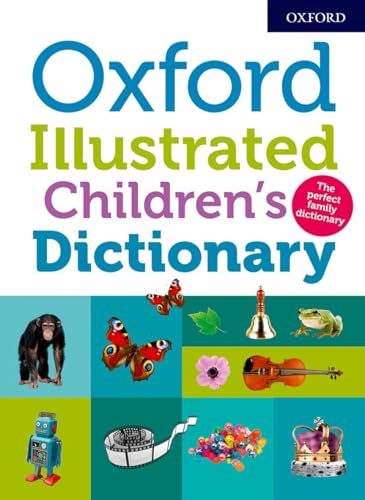
Best children's dictionaries in 2026

children's dictionaries
AI
Finding the right dictionary for your child can be tricky. We reviewed ten popular options, focusing on age-appropriate content, clarity, and value. Whether you need a basic reference or an illustrated guide, our selection helps you choose a tool that supports learning without overwhelming young readers. Read on to find the perfect match.
Updated This Week
10
products
5-11€
Price Range

Interactive Comparison

As an Amazon Associate we earn from qualifying purchases.

Our Quick Picks

As an Amazon Associate we earn from qualifying purchases.

-
/ 10 Products Shown

As an Amazon Associate we earn from qualifying purchases.

No products match your filters

Our Expert Verdict: children's dictionaries

AI
Oxford and Collins dominate this list with reliable, well-structured content. For most families, an illustrated primary dictionary offers the best balance of learning support and engagement for young readers.

Market Overview: children's dictionaries

AI
The children's dictionary market remains strong, with illustrated editions gaining popularity. Parents increasingly prefer durable, easy-to-read formats that encourage independent learning and reduce reliance on screens.

Buying Guide: children's dictionaries

AI
Look for clear definitions, age-appropriate language, and engaging illustrations. Consider the child's reading level and whether they need a compact pocket size or a comprehensive reference book.

Selection Criteria

We selected these dictionaries based on user ratings, editorial reviews, and value for money. We prioritized titles from trusted publishers like Oxford and Collins, ensuring accuracy and educational quality.

Budget Advice

AI
Entry-level dictionaries are affordable, while premium illustrated or comprehensive editions cost more. Mid-range options often offer the best balance of quality and price for most families.

Conclusion: children's dictionaries

AI
Choosing the right dictionary supports your child's literacy journey. Review our full list to compare features, prices, and suitability for different ages. Click through to find the best option for your family's needs today.

Frequently Asked Questions

AI
Children typically begin using dictionaries around age 7 or 8, when they start reading more complex texts and spelling independently. Illustrated versions are best for younger learners.
They serve different purposes. A dictionary defines words and spelling, essential for early literacy. A thesaurus helps expand vocabulary. Start with a dictionary, then introduce a thesaurus for older children.
Physical dictionaries reduce screen time and help children develop spatial memory for word locations. Digital apps are convenient but may lack the tactile learning benefits of a book.

Related Lists

Why Trust This List?

Data-Driven Selection

Analysis of 0 verified customer reviews

Regularly Updated

Last updated 1 Ρ‚ΠΈΠΆΠ΄Π΅Π½ΡŒ Ρ‚ΠΎΠΌΡƒ

Independent Analysis

Objective criteria: rating, price, popularity

Topelio participates in the Amazon Associates Program. We may earn commissions on purchases through our links, without affecting our recommendations.

Oxford Children's Dictionary
πŸ₯‡ #1

Oxford Children's Dictionary

3.70 EUR
See Deal